Reaching the end of a month of phonological awareness instruction is worth celebrating.
By Week 12, children have spent weeks listening carefully, playing with sounds, repeating rhymes, and learning that spoken words can be broken apart and put back together. Those simple activities may look like play on the surface, but they are building skills that will support reading for years to come.
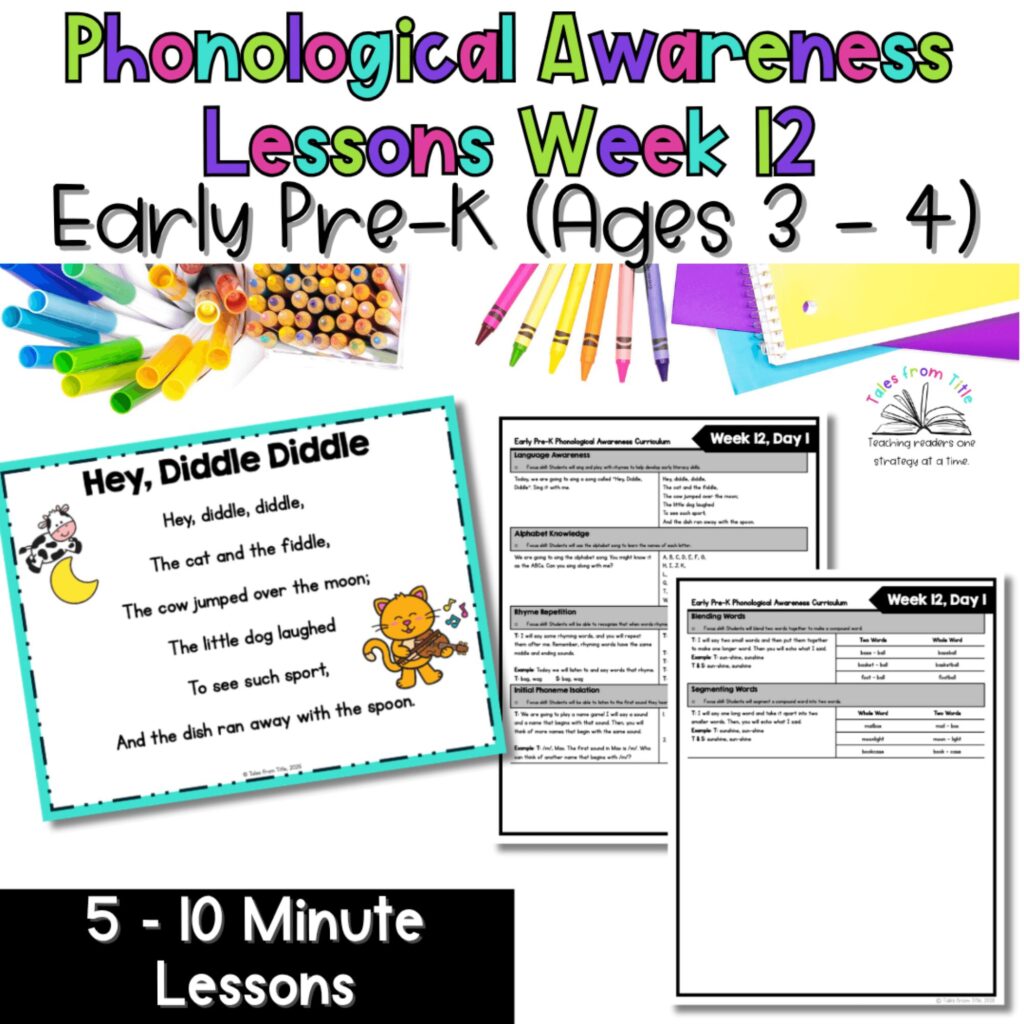
My Early Pre-K Phonological Awareness Week 12 Lesson Plans complete Month 3 of the curriculum with engaging, scripted lessons that take just 5 to 10 minutes each day. Children continue practicing familiar skills using new words and activities, giving them the repetition they need while keeping lessons fresh and engaging.
Why Phonological Awareness Is Essential for Learning to Read
One of the biggest findings from the Science of Reading is that children benefit from explicit instruction in phonological awareness before they begin formal phonics instruction.
Phonological awareness is the ability to hear and work with the sounds in spoken language. It includes recognizing rhymes, identifying beginning sounds, blending spoken words, and breaking words into smaller parts. These skills help children understand that language is made up of individual sounds and sound patterns.
Research from the National Reading Panel found that explicit phonological awareness instruction improves later reading and spelling achievement. Literacy experts, including Dr. Louisa Moats, continue to emphasize that strong oral language skills provide the foundation children need before they begin matching letters to sounds.
That is why these lessons stay focused on listening, speaking, and interacting with language. Children develop critical pre-reading skills without worksheets or written tasks, making the activities appropriate for young preschool learners.
What Children Practice During Week 12
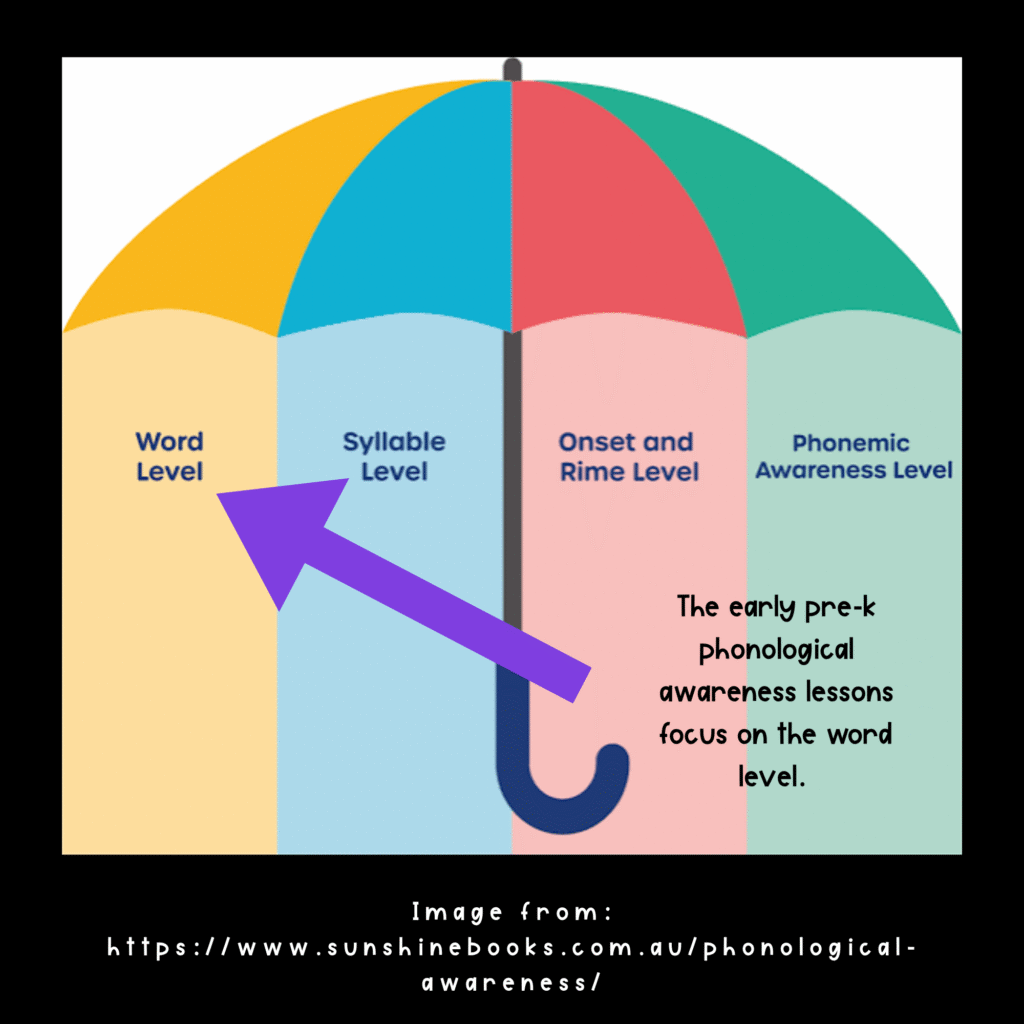
Week 12 completes the third month of the Early Pre-K Phonological Awareness Curriculum. Rather than introducing new skills, children continue strengthening previously learned concepts through new examples and consistent instructional routines.
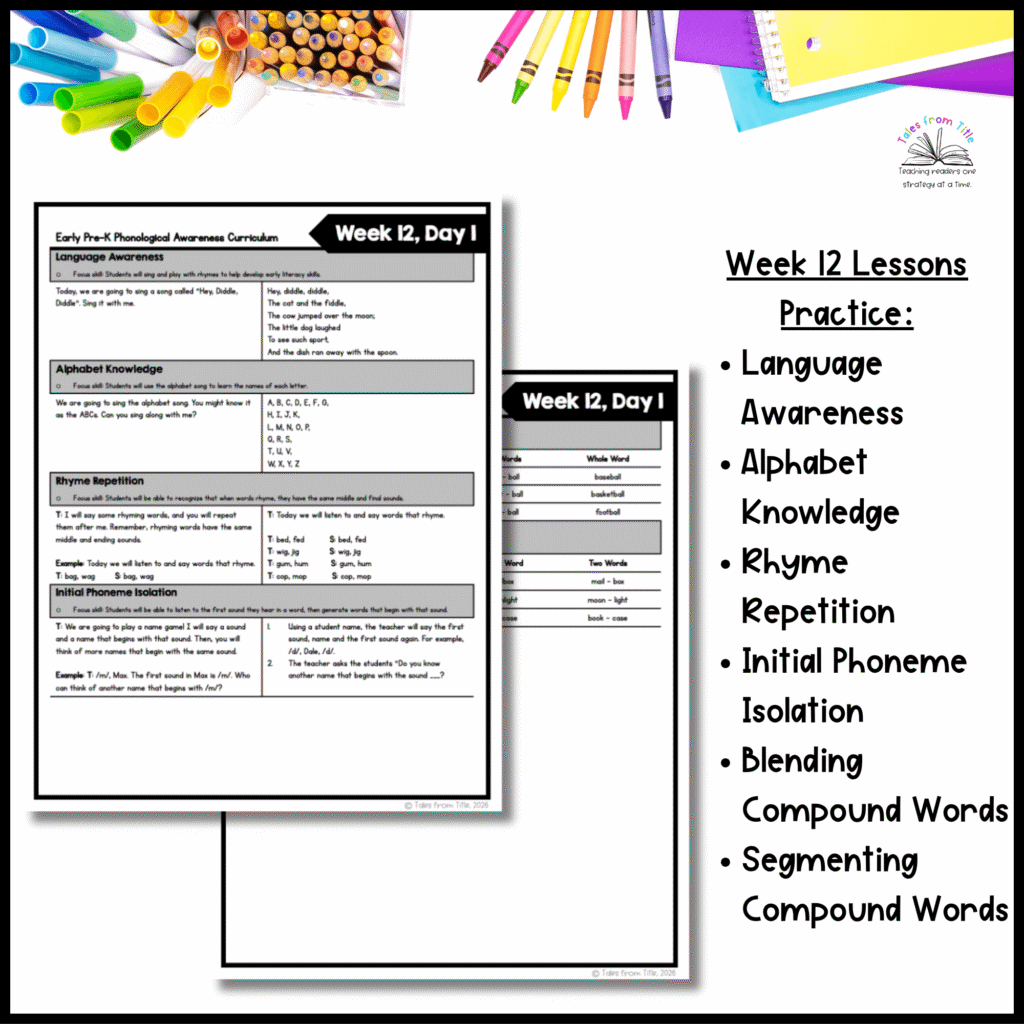
Each lesson includes meaningful practice with:
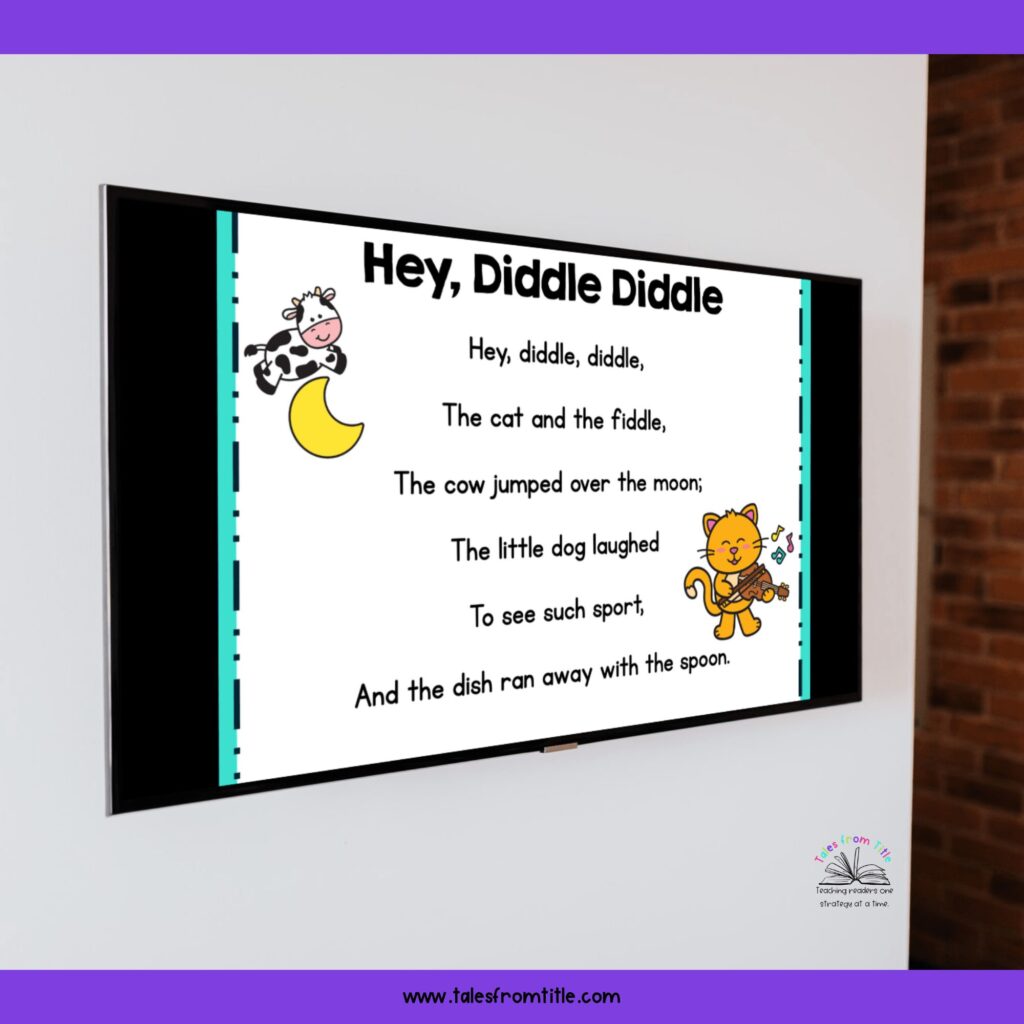
Language Awareness
Children participate in songs and rhymes that strengthen listening skills while expanding vocabulary and encouraging conversation.
Alphabet Knowledge
Daily alphabet practice helps children become familiar with letter names and prepares them for future letter-sound instruction.
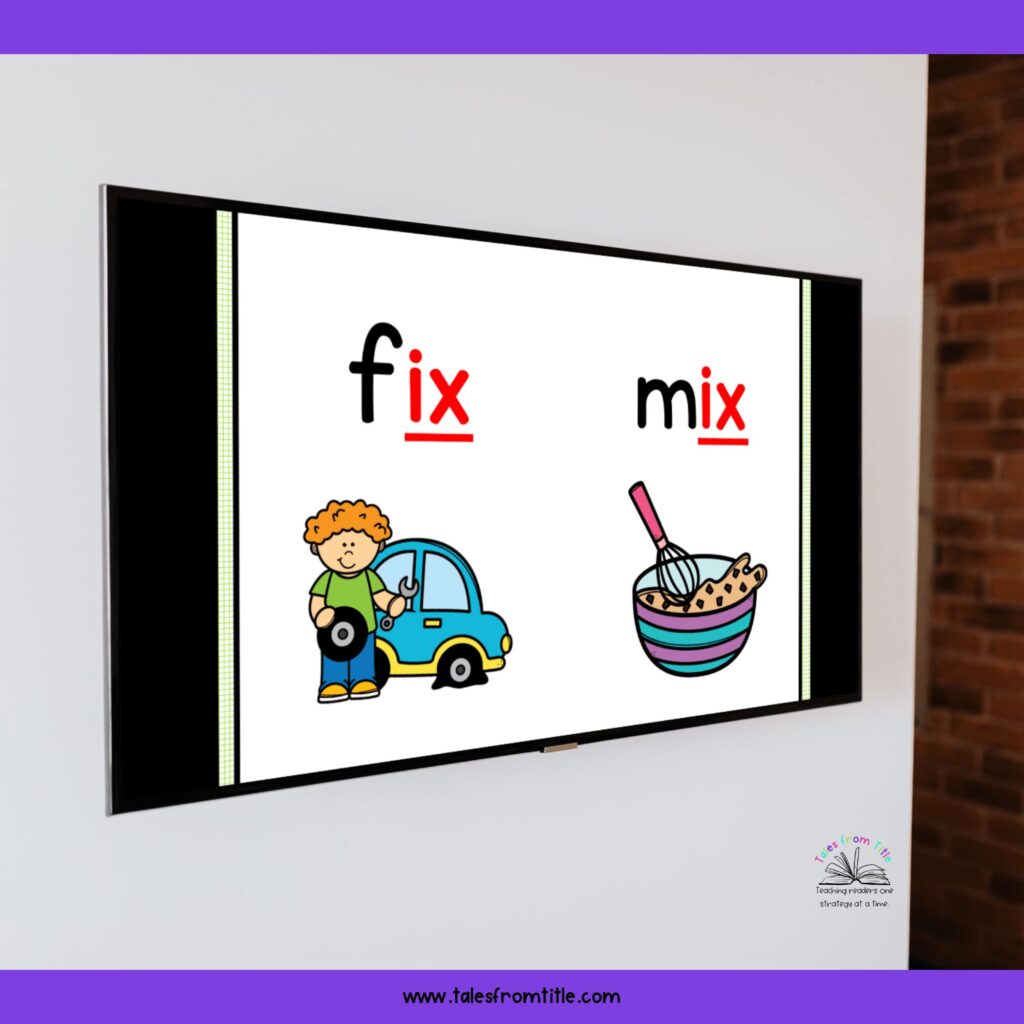
Rhyme Repetition
Children listen to and repeat rhyming words, helping them hear similarities between words and recognize common sound patterns.
For example, children may repeat words such as pig, wig, and dig while noticing that each word ends with the same sound.
Initial Phoneme Isolation and Production
Children identify the first sound they hear in familiar names and practice producing that sound aloud by stating other names that begin with the same sound.
For example, after hearing the name Sam, children identify the /s/ sound at the beginning of the name. Then, they produce more names that begin with the /s/ sound. This type of listening activity helps prepare children for future phonics instruction.
Blending Syllables
Children combine two syllables to create one word.
For example:
- po + ny = pony
- win + dow = window
- sil + ly = silly
These activities help children understand that words can be made up of smaller parts.
Segmenting Words into Syllables
Children also practice separating familiar words into two syllables.
For example:
- donkey becomes don + key
- kitchen becomes kitch + en
- happy becomes hap + py
This strengthens children’s awareness that spoken words are made up of smaller parts.
Why Consistent Practice Makes Such a Difference
Young children learn best through repeated experiences.
Think about how children learn to recognize colors. They do not master them after seeing red, blue, and yellow one time. They learn because they hear those words, see them in different settings, and use them repeatedly over time.
Phonological awareness develops the same way.
Children need many opportunities to hear rhymes, notice beginning sounds, blend spoken words, and separate words into smaller parts. As these experiences accumulate, the skills become more automatic and children are better prepared for phonics instruction.
That is why the Early Pre-K Phonological Awareness Curriculum follows a carefully planned sequence. Familiar routines reduce cognitive load while new words and activities provide meaningful practice that keeps children engaged.
Perfect for Busy Preschool Teachers and Homeschool Families
Whether you teach in a preschool classroom, work with small intervention groups, or homeschool your preschooler, these lessons fit easily into your daily routine.
Each Week 12 resource includes:
- Three fully scripted phonological awareness lessons
- Optional instructional slides in PowerPoint, Google Slides, and PDF formats
- Weekly rhyming song visuals
- Lessons that take only 5 to 10 minutes each day
- Little to no preparation required
Everything is organized so you can spend less time planning and more time interacting with your students.
New Here? Start with My Free Week 1 Lessons
If you have not used this curriculum before, the best place to begin is with Week 1.
Download my FREE Week 1 Phonological Awareness Lessons to experience the lesson format, instructional routines, and engaging activities before purchasing additional weeks. It is an easy way to see how just a few minutes of intentional instruction each day can help build strong early literacy skills.
Save Time with the Month 3 Bundle
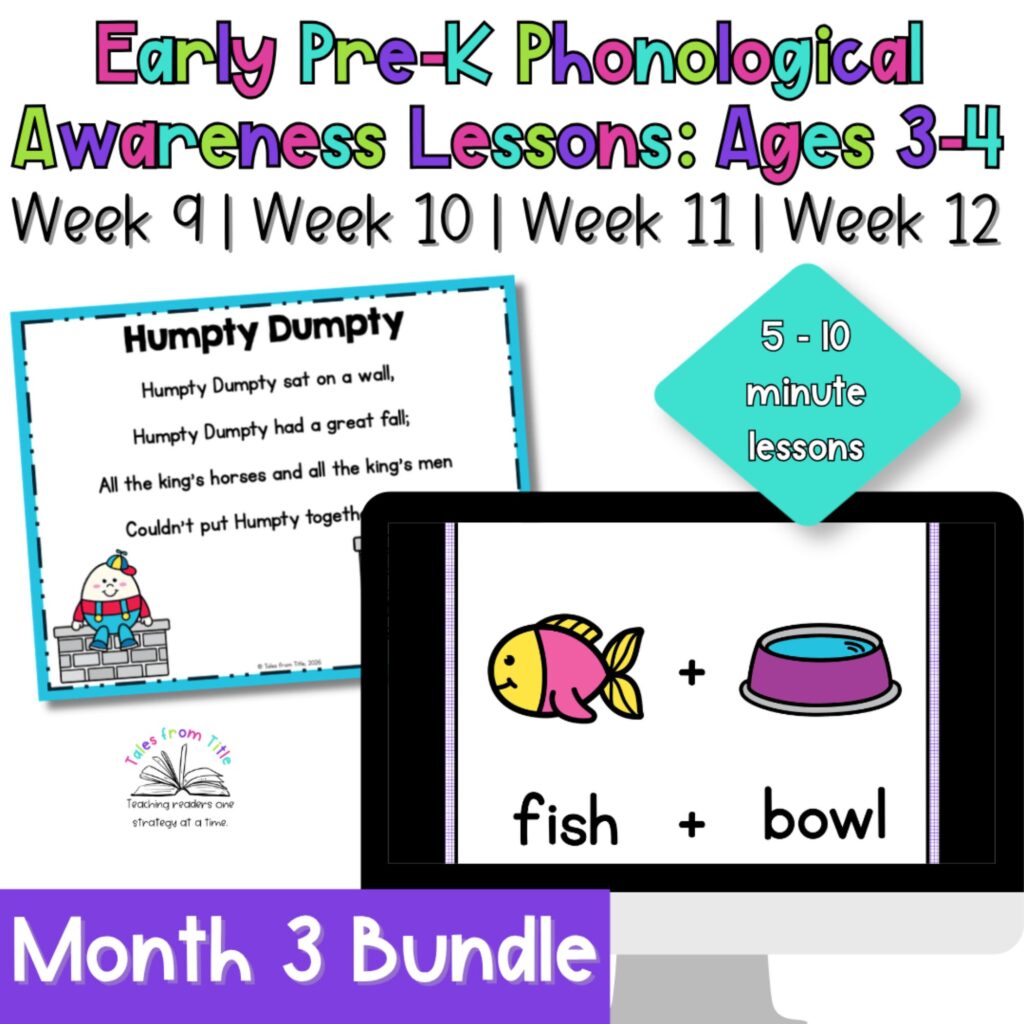
Week 12 completes the Early Pre-K Phonological Awareness Month 3 Bundle, which includes Weeks 9 through 12.
If you prefer planning an entire month at once, the bundle provides four weeks of carefully sequenced instruction while saving you 20% compared to purchasing each week individually.
Using the complete bundle also ensures children receive consistent practice as they continue developing the listening and oral language skills that prepare them for future reading success.
If you shop on Etsy, please note that file size limits require me to bundle these resources a little differently. Instead of receiving a full 4-week bundle, you’ll receive a 20% discount when purchasing bundles of three weeks at a time (for example, Weeks 2–4, Weeks 5–7, or Weeks 8–10). These discounts can be seen in the sidebar when you are looking at the resource, and there is an option to add a set of resources to your cart.
Building Strong Readers Starts Before Children Read
Reading instruction does not begin when children pick up their first decodable book.
It begins when they sing songs, repeat rhymes, notice beginning sounds, and play with spoken language.
Those everyday moments strengthen the phonological awareness skills that support decoding, spelling, and reading comprehension later in elementary school.
Week 12 brings Month 3 to a close with meaningful, developmentally appropriate practice that helps children continue building those essential skills one conversation, one rhyme, and one lesson at a time.
Whether you are teaching in a classroom, leading a small group, or working one-on-one with a preschooler at home, these ready-to-teach lessons make it easy to build a strong foundation for future reading success.