Have you ever noticed that a preschooler can participate in an activity one day and seem to need just as much support the next time you try it?
That’s part of learning at this age. Young children need opportunities to hear, practice, and revisit new concepts before those skills become familiar.
The same is true when it comes to developing the listening skills that support future reading.
Phonological awareness is the ability to recognize and work with the sounds and parts of spoken language. These skills develop over time, beginning with larger parts of language and gradually moving toward smaller sound units.
For preschoolers, that might mean listening for rhyming words, identifying the first sound in a spoken word, or blending two syllables together to make a familiar word.
And just like other early learning skills, these abilities need consistent practice.
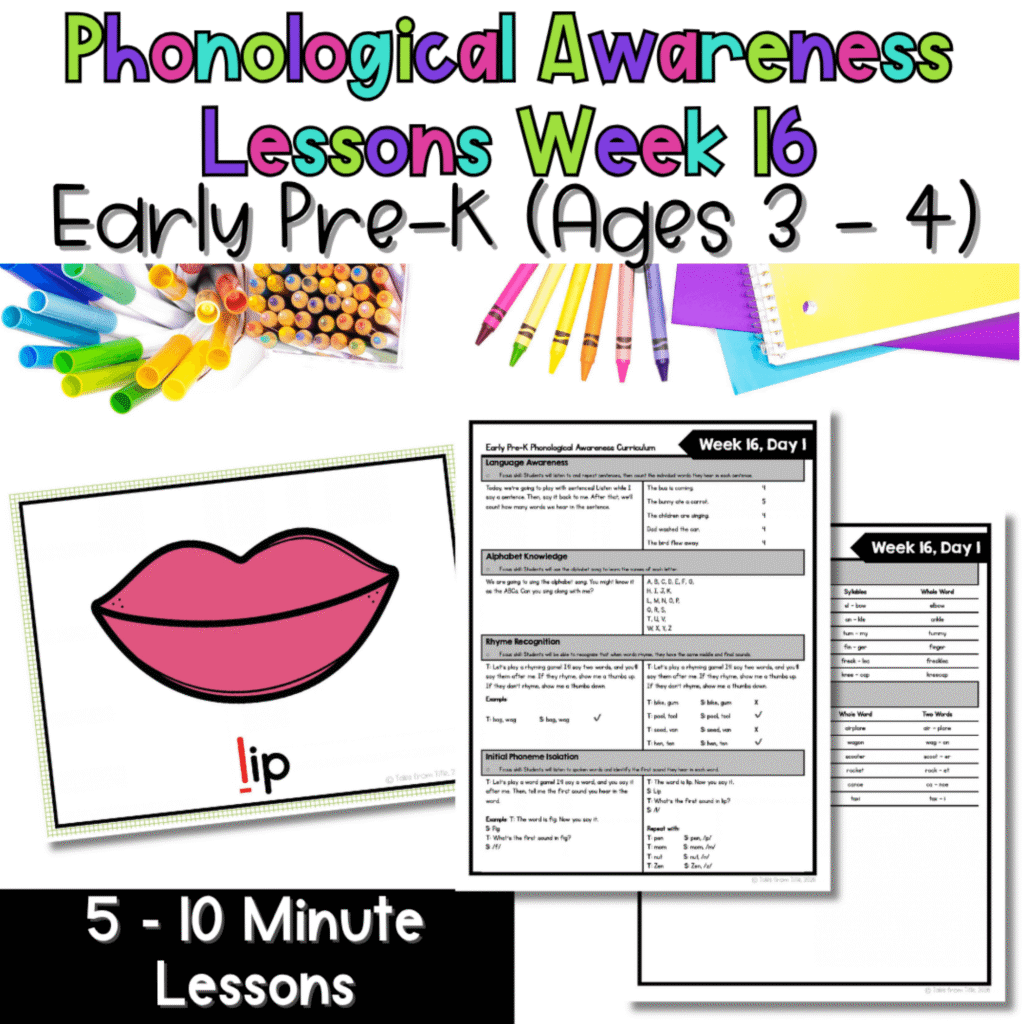
That’s the focus of Week 16 of the Early Pre-K Phonological Awareness Curriculum.
These three short, scripted lessons give children ages 3–4 continued opportunities to practice rhyming, beginning sounds, syllables, spoken sentence awareness, and alphabet knowledge through familiar, predictable routines.
Each lesson takes just 5–10 minutes, making it easy to incorporate meaningful preschool phonological awareness activities into your existing routine.

Why Is Phonological Awareness Important for Future Readers?
Before children can connect letters to sounds and begin decoding written words, they need opportunities to listen closely to spoken language.
They need to recognize that words have parts, that some words rhyme, and that spoken words contain individual sounds.
This is where phonological awareness instruction plays an important role in early literacy development.
Phonological awareness is an auditory skill. Children can practice these concepts through listening and speaking without needing to see printed letters or words.
For example, a child might:
- Recognize that cake and lake rhyme.
- Identify /m/ as the first sound in moon.
- Blend the syllables rain and bow to say rainbow.
- Break the word rabbit into rab and bit.
These activities help children become more aware of the structure of spoken language.
As children move toward formal reading instruction, that awareness becomes especially important. Phonemic awareness, which focuses specifically on individual sounds within spoken words, is one part of the broader phonological awareness continuum and supports learning to connect speech sounds with letters.
This is one reason intentional listening activities belong in early childhood instruction. We aren’t asking preschoolers to read before they are ready. We are giving them developmentally appropriate opportunities to build the skills that will support reading later.

Why Do Preschoolers Need Repeated Phonological Awareness Practice?
One of the important things to remember about teaching young children is that introducing a skill once isn’t enough.
Children need multiple opportunities to hear a concept, try it themselves, and practice it again in different ways.
For example, a child might successfully identify a rhyming pair during one activity but have difficulty recognizing a different pair the next day. That doesn’t mean the earlier practice was wasted. It means the child needs more opportunities to listen for that sound pattern.
The same is true for syllables and beginning sounds.
Repeated practice gives children opportunities to become more familiar with the listening task. When the directions and routines stay consistent, they can spend less time figuring out what to do and more time focusing on the sounds they hear.
That’s why the Week 16 lessons continue practicing the same foundational skill areas as Week 15.
Children don’t need an entirely new activity or skill every week. They need intentional opportunities to strengthen what they are already learning.

Week 16 Preschool Phonological Awareness Activities
Week 16 provides continued practice with six areas of early literacy development. Each skill is incorporated into the weekly lessons through short oral activities and familiar instructional routines.
Language Awareness: Listening to and Counting Words in Sentences
Children continue practicing how to listen to spoken sentences and count the individual words they hear.
For example, you might say:
The dog runs.
Have children repeat the sentence with you. Then count the words:
The | dog | runs.
There are three words.
This activity helps children recognize that sentences are made up of individual words, even though those words often sound connected when we speak.
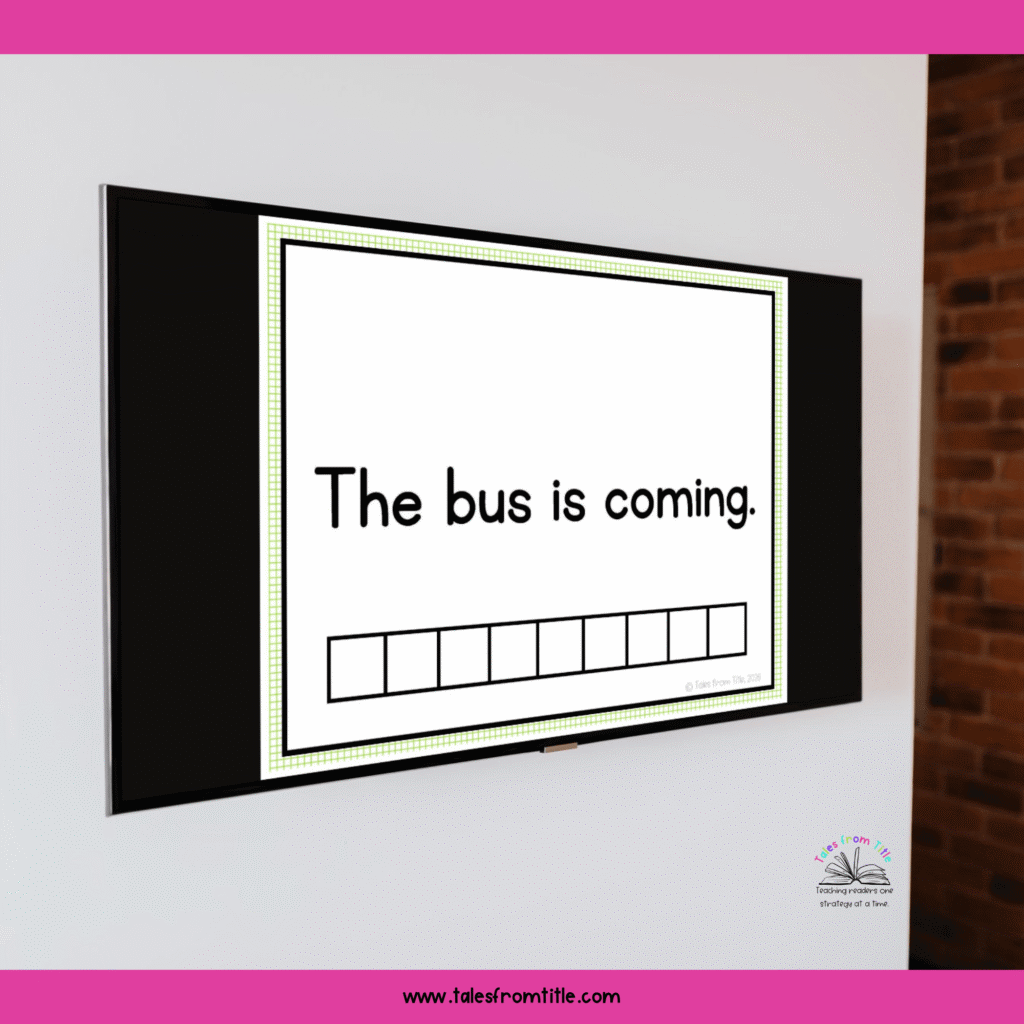
The Week 16 instructional slideshow includes visual boxes underneath the sentences to support this activity. As you read each sentence aloud, children can repeat it and count one box for each word.
The purpose is to build awareness through listening and speaking, not to ask preschoolers to read the printed sentence.
Alphabet Knowledge: Building Familiarity with Letter Names
Alphabet knowledge is also part of the weekly routine.
Children continue practicing letter names through a consistent ABC song routine. Keeping this activity familiar provides another opportunity to build alphabet knowledge while maintaining time for the other listening activities.
Rhyme Recognition: Listening for Similar Ending Sounds
Recognizing rhyming words helps children pay attention to the sound patterns within spoken language.
During these activities, children listen to pairs of words and decide whether they rhyme.
For example:
cake / lake
These words rhyme because they have the same ending sound pattern.
cake / cup
These words do not rhyme.
You can make this activity simple and interactive by having children repeat each pair before deciding whether the words rhyme.
The goal is to help them listen closely to how words sound rather than focus on what the words mean.

Initial Phoneme Isolation: Identifying Beginning Sounds
Children also continue practicing how to identify the first sound they hear in a spoken word.
For example:
moon
The first sound is /m/.
At this age, the focus is on hearing and identifying the sound, not naming the letter or reading the word.
This distinction is important. Phonological awareness activities are based on spoken language, while connecting those sounds to written letters is part of phonics instruction.
Giving children opportunities to isolate beginning sounds helps develop their awareness of the individual sounds within words.

Blending Syllables: Putting Word Parts Together
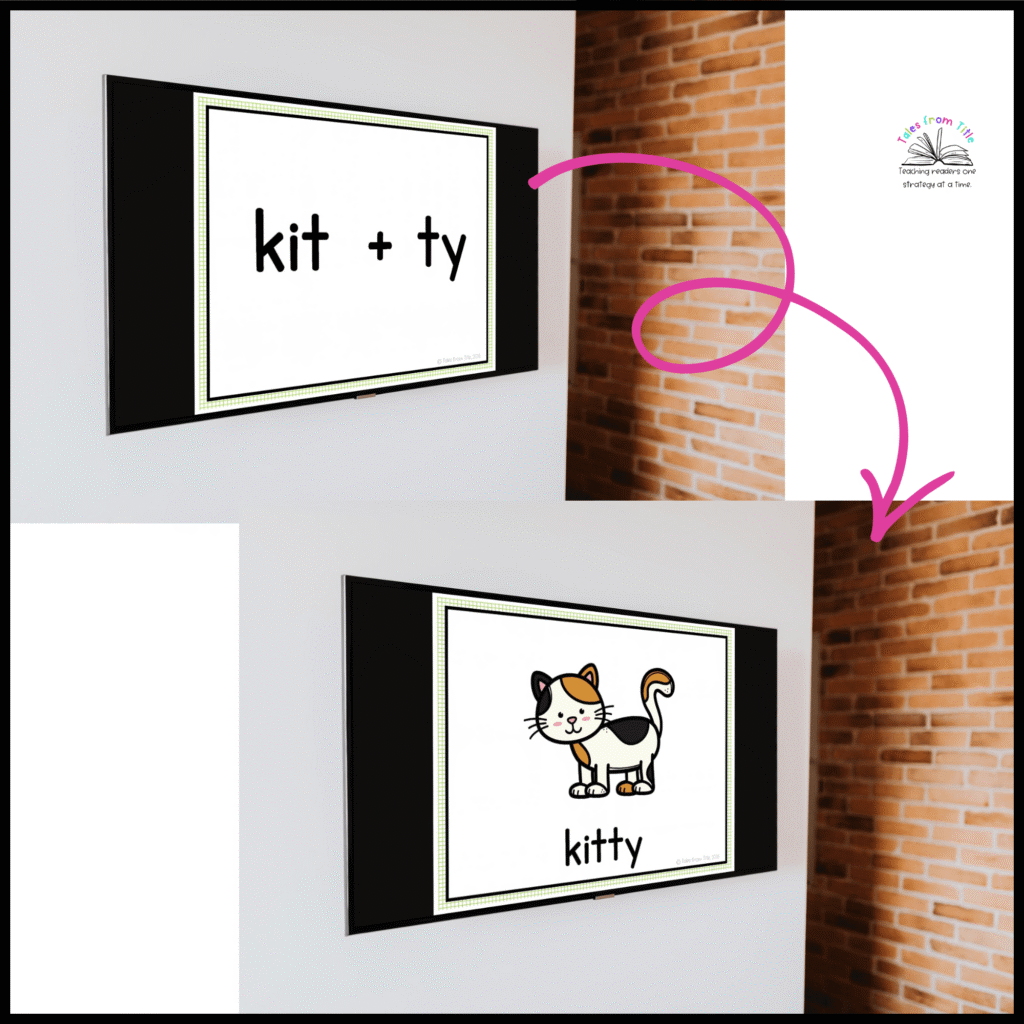
Blending syllables asks children to listen to separate parts of a word and combine them to make the whole word.
For example:
rain + bow → rainbow
You say the two syllables separately, and the child blends them together.
This is a fun way for preschoolers to begin noticing that spoken words can be broken into smaller parts and put back together.
You can practice with familiar two-syllable words such as:
- rab + bit = rabbit
- ti + ger = tiger
- sun + shine = sunshine
Keep the activity oral and give children time to listen to each part before saying the whole word.
Segmenting Words into Syllables: Breaking Words Apart
Children also practice going in the opposite direction.
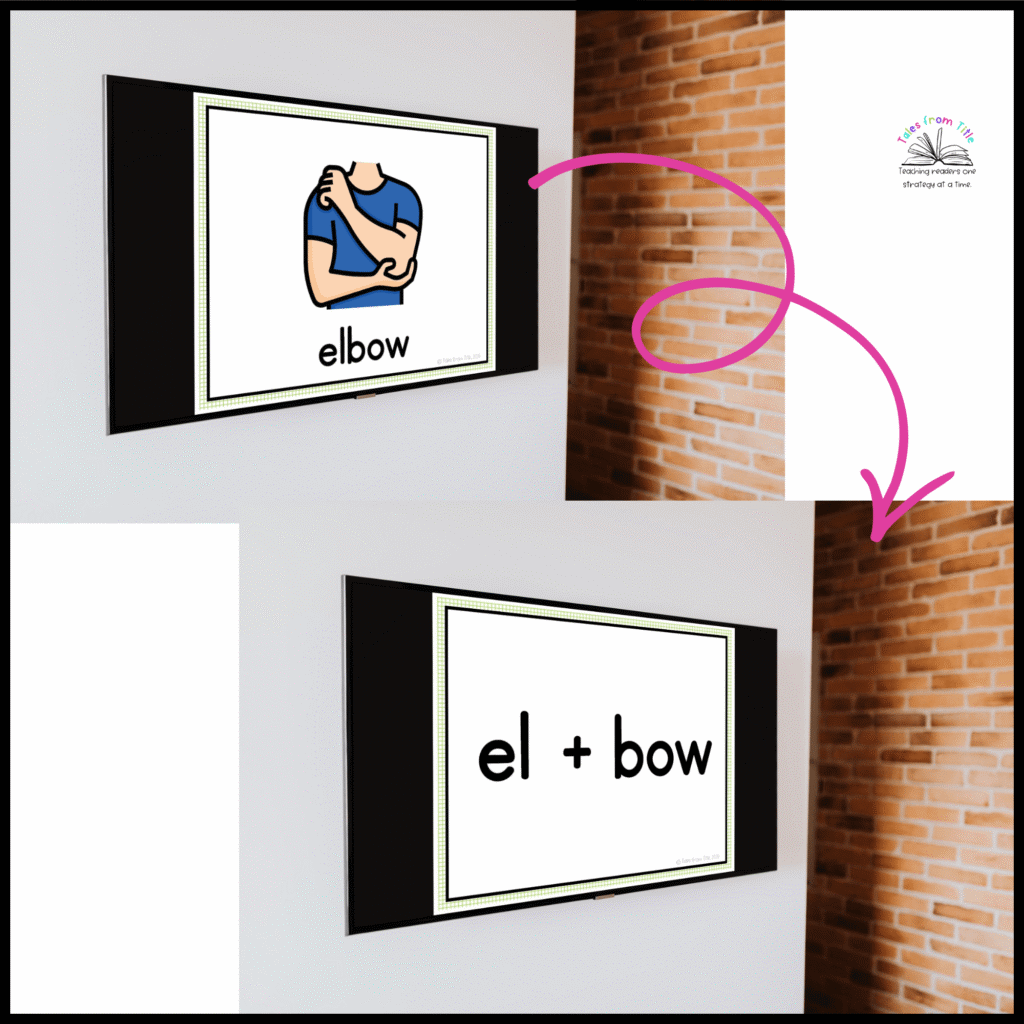
Instead of hearing separate syllables and blending them together, they begin with a whole spoken word and break it into its individual syllables.
For example:
rabbit → rab + bit
You might say the word naturally, then repeat it while emphasizing each syllable.
Children can clap, tap, or say each part as they separate the word.
Blending and segmenting provide different types of listening practice, and both help children become more aware of the parts within spoken words.
Keep Early Literacy Instruction Short and Consistent
When planning preschool instruction, it’s easy to feel like you need to fit in a little bit of everything.
But meaningful phonological awareness practice doesn’t have to involve a long lesson or complicated materials.
A few focused minutes can provide children with an opportunity to listen, respond, and practice an important skill.
The Week 16 lessons take approximately 5–10 minutes each and are designed to fit into routines you may already have in place.
You can use them during:
- Morning meeting or circle time
- Preschool literacy instruction
- Small group activities
- One-on-one intervention
- Homeschool preschool
- Kindergarten readiness practice
The lessons are fully scripted, so you don’t have to spend time deciding what to say, searching for example words, or creating a new activity.
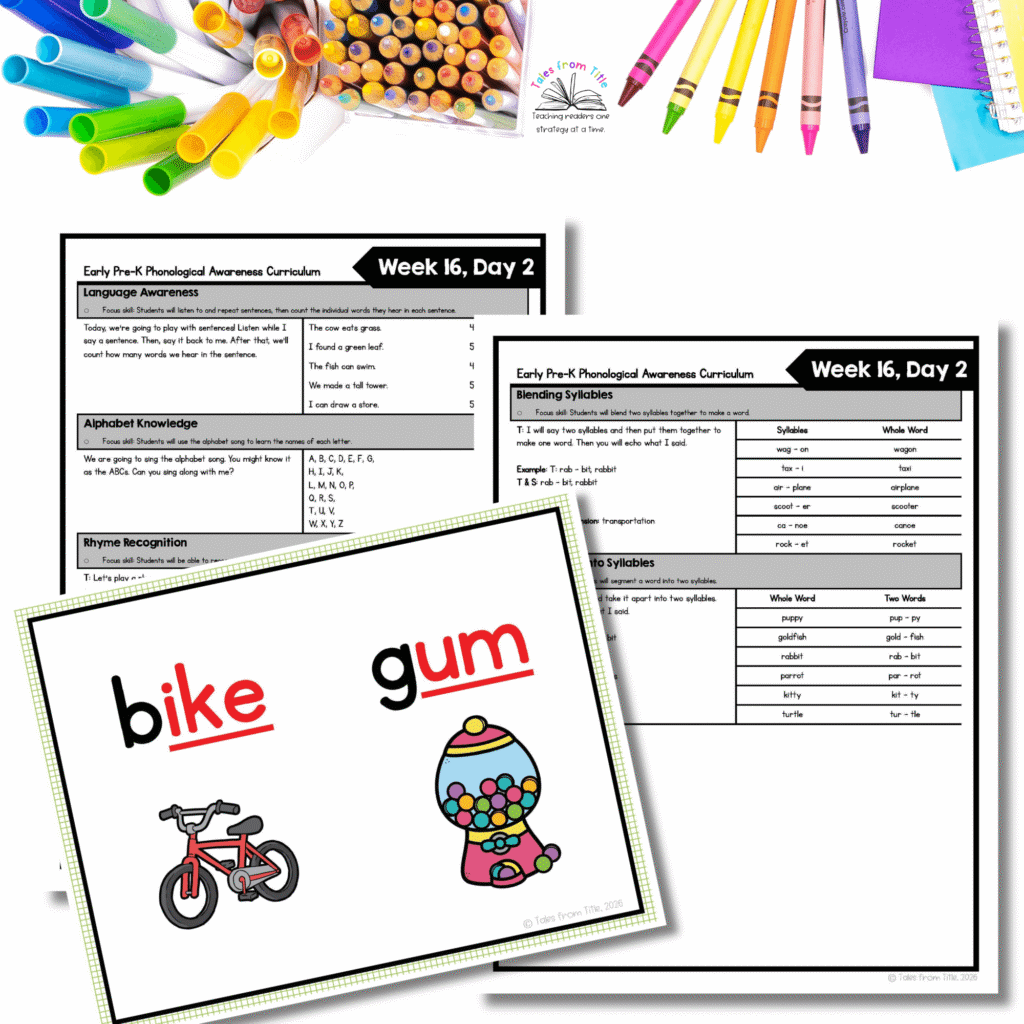
The optional student slideshow also gives you visual support during instruction, with PowerPoint, Google Slides, and PDF formats included.
Open the lesson. Follow the script. Teach.
How the Early Pre-K Curriculum Builds Skills Over Time
Week 16 is part of a larger Early Pre-K Phonological Awareness Curriculum designed specifically for children ages 3–4.
The curriculum uses short, consistent lessons to provide repeated practice with foundational skills throughout the weeks.
Rather than introducing a completely different set of activities each time, children revisit familiar routines while working with new words, sentences, and examples.
This structure is intentional.
Predictable routines help young learners become comfortable with the expectations of each activity. As they become more familiar with the routine, they have additional opportunities to focus on listening and responding.
Week 16 continues the skill areas practiced in Week 15, including:
- Language awareness and sentence word counting
- Alphabet knowledge
- Rhyme recognition
- Initial phoneme isolation
- Syllable blending
- Syllable segmenting
The goal is to provide consistent opportunities for children to strengthen these foundational skills before moving on to more advanced listening and sound awareness activities.
Try Week 1 FREE!
If you’re new to the Early Pre-K Phonological Awareness Curriculum, you can try the lessons with your students before purchasing additional weeks.
The free Week 1 resource includes three complete scripted lessons and supporting visuals. You’ll be able to see how the lessons are organized, how the teacher scripting works, and how the short instructional routines fit into your preschool day.
Enter your email above to receive the free Week 1 lessons and try the curriculum with your preschoolers!
Explore Week 16
If you’re looking for preschool phonological awareness activities for ages 3–4, Week 16 includes three short, ready-to-teach lessons with continued practice in rhyming, beginning sounds, syllables, spoken sentence awareness, and alphabet knowledge.
Each lesson is fully scripted and takes just 5–10 minutes. The optional instructional slideshow is available in PowerPoint, Google Slides, and PDF formats.
Whether you teach preschool in a classroom, homeschool setting, childcare program, or small group, these lessons make it easier to incorporate consistent phonological awareness instruction into your day.
Continue with the Early Pre-K Phonological Awareness Curriculum
Want to keep your instruction consistent from week to week?
Week 16 is part of Month 4 of the Early Pre-K Phonological Awareness Curriculum. The Month 4 Bundle includes Weeks 13–16, with 12 scripted lessons and a 20% savings compared to purchasing each week separately.

Building future readers starts long before children open their first reading book. When we give preschoolers consistent opportunities to listen to words, notice sounds, and play with language, we’re helping them develop an important foundation for the reading instruction that comes next.