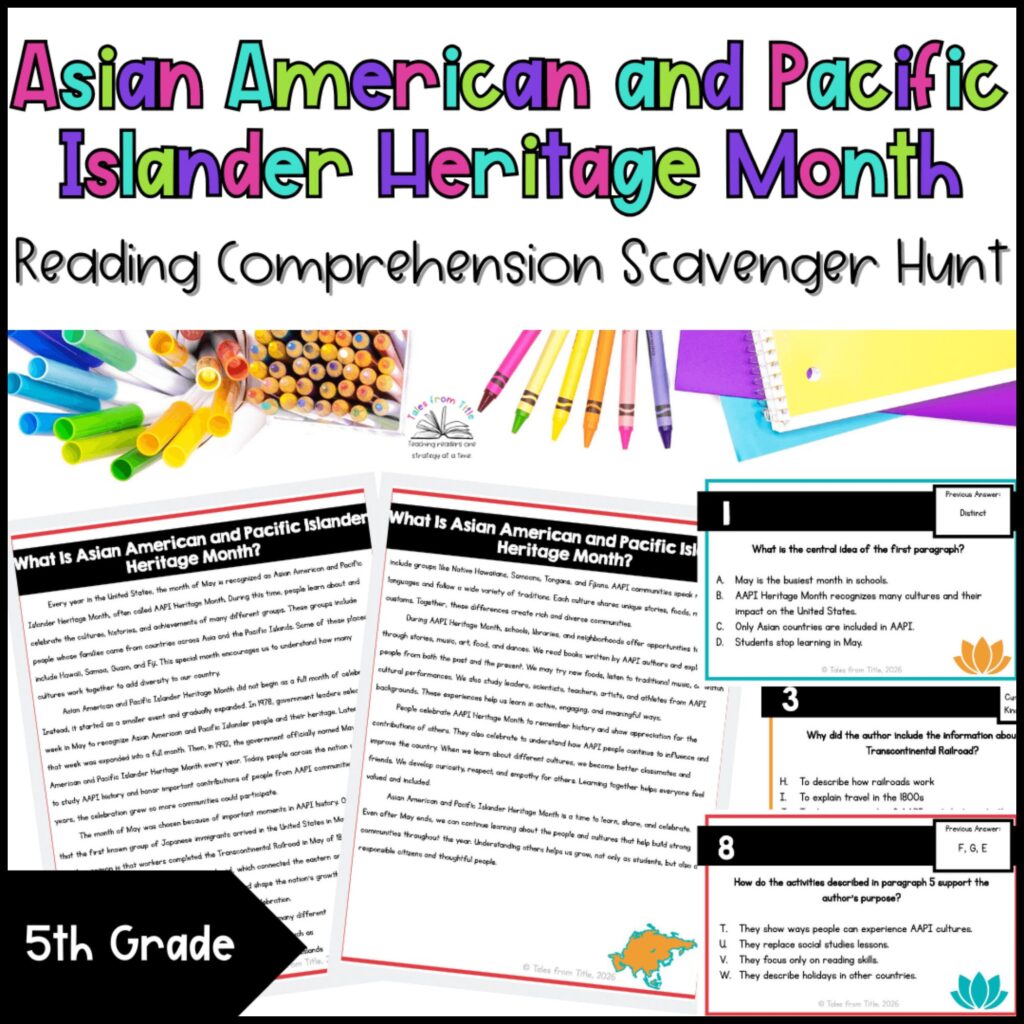
By the time May arrives, many classrooms feel tired. Testing wraps up, attention spans shrink, and teachers look for ways to keep students focused without adding more prep work. At the same time, May offers a meaningful opportunity to teach students about Asian American and Pacific Islander Heritage Month. Instead of relying on worksheets that lead to disengagement, you can use movement and close reading to keep learning active and purposeful.
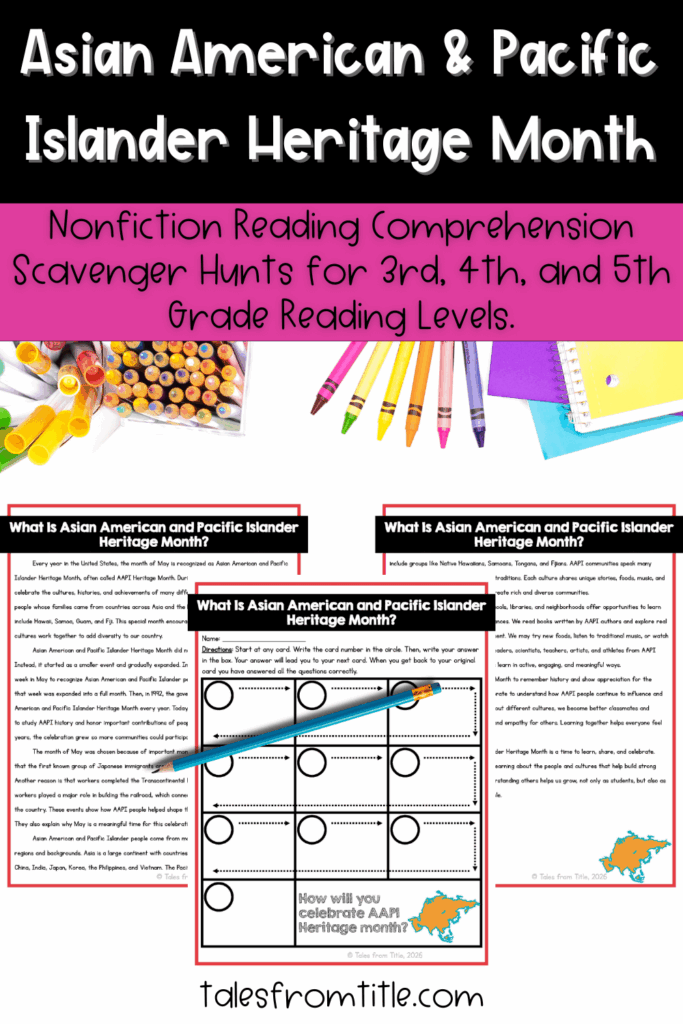
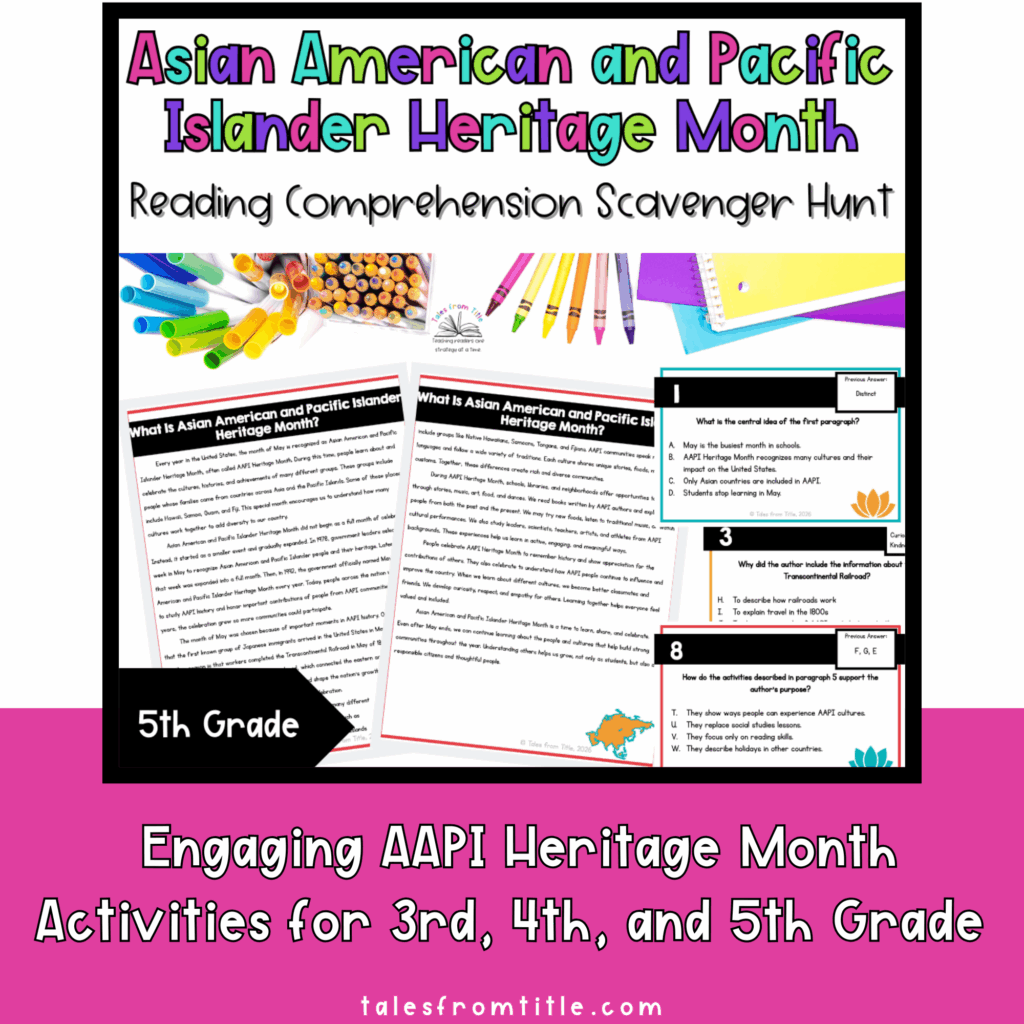
That is exactly why I created the AAPI Heritage Month Scavenger Hunts for 3rd, 4th, and 5th grade. These activities combine nonfiction reading comprehension with movement, so students stay engaged while learning about AAPI history, cultures, and contributions.
Why Teach AAPI Heritage Month?
Asian American and Pacific Islander Heritage Month gives students a chance to learn about people whose families come from Asia and the Pacific Islands. Students explore cultures, traditions, and important historical contributions in a way that connects to social studies and literacy at the same time.
When we teach AAPI Heritage Month in elementary classrooms, we help students build background knowledge, practice respect, and understand how many cultures work together to shape our communities. Students do not just memorize facts. They read, think, discuss, and connect ideas to the real world.
Why Scavenger Hunts Work So Well
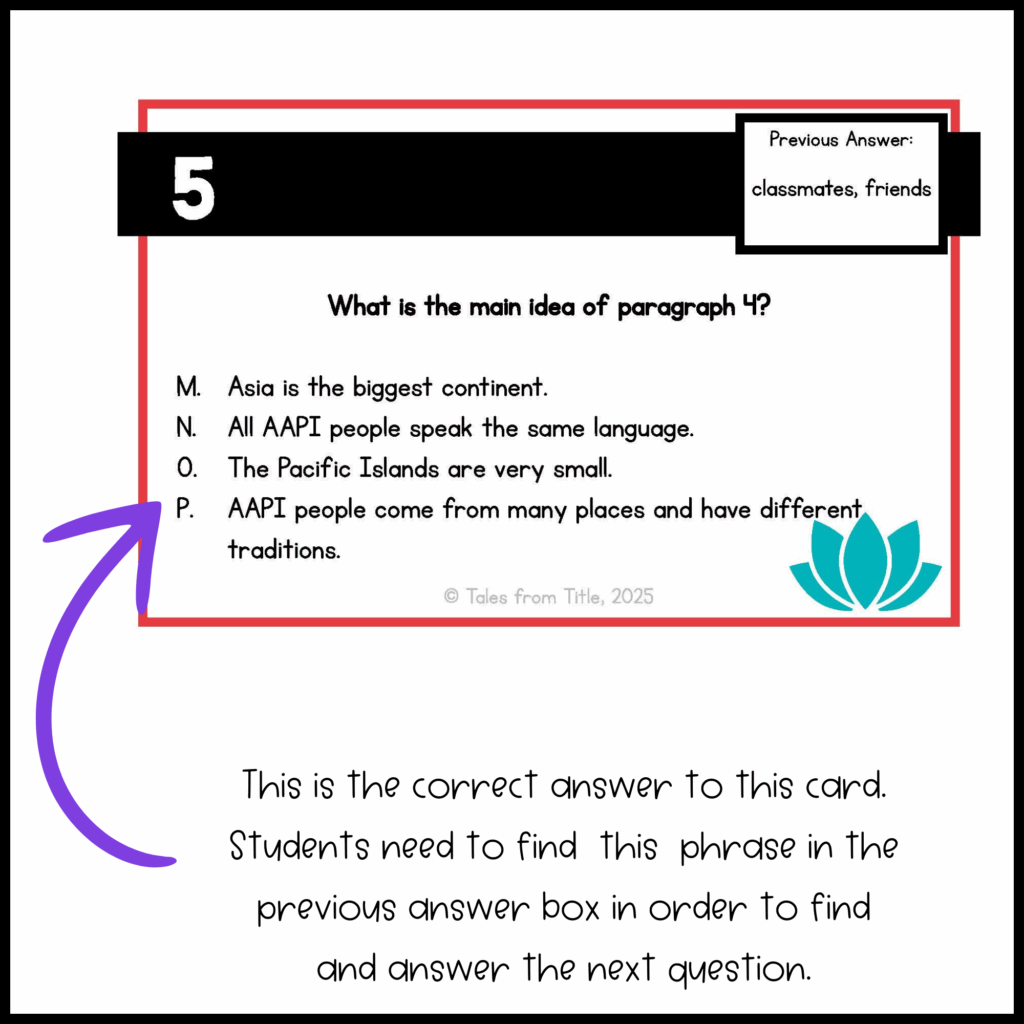
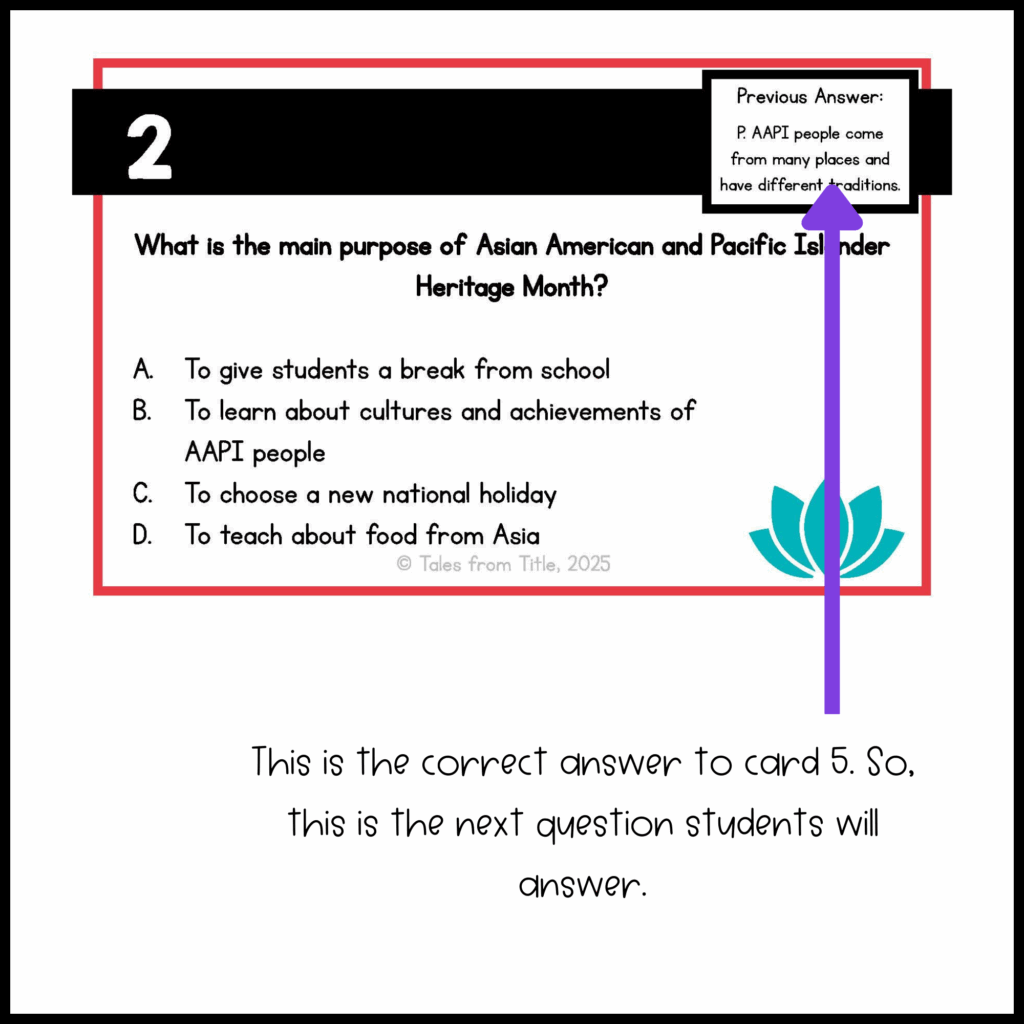
Scavenger hunts change the way students interact with text. Instead of sitting and answering a full page of questions, students read a passage, answer a text dependent question, and then move to find the next card around the room.
This structure encourages students to:
- Reread for evidence
- Slow down and think about the text
- Stay focused longer
- Use movement to stay engaged
- Take ownership of their learning
Scavenger hunts work especially well in May because students need structure, but they also need variety. You keep your literacy block meaningful without increasing behavior issues or prep time.
What Is Included in the AAPI Heritage Scavenger Hunts?
Each grade level version comes with everything you need to print and teach right away.
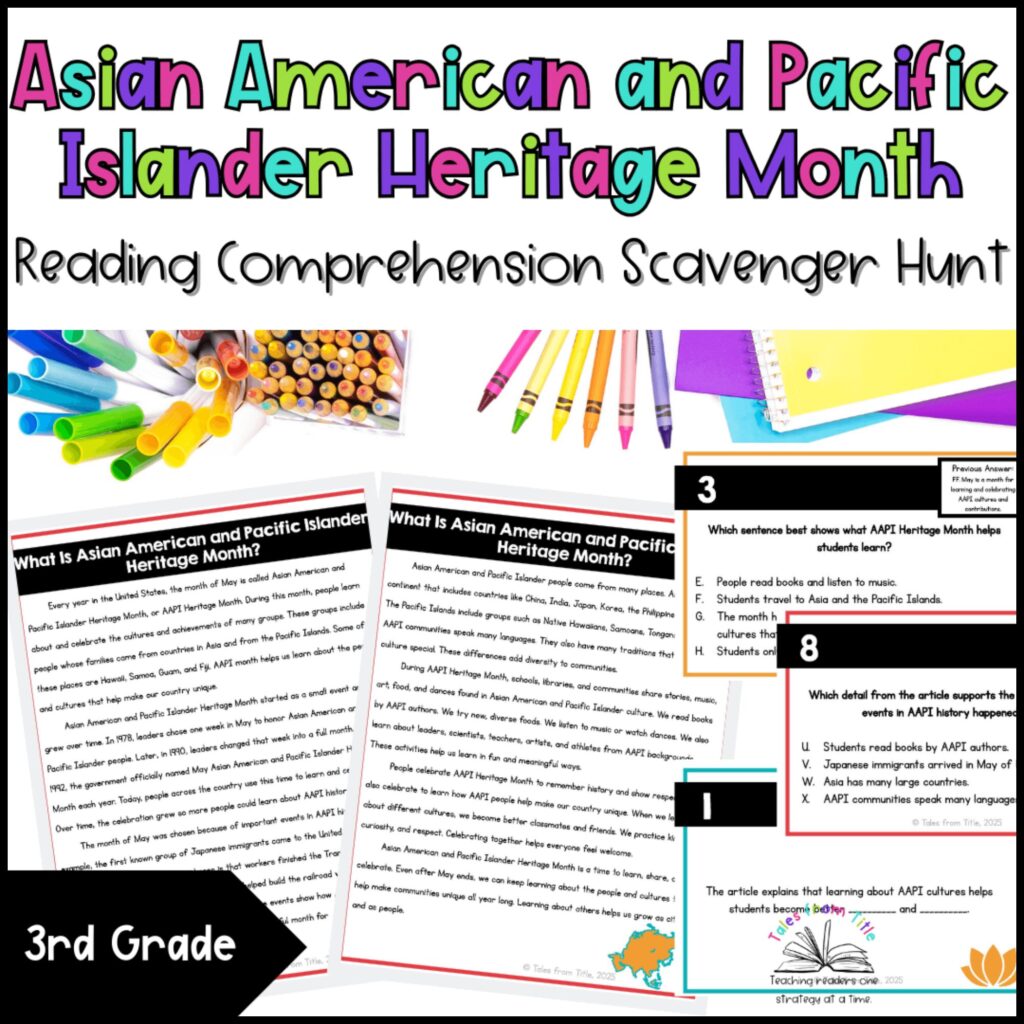
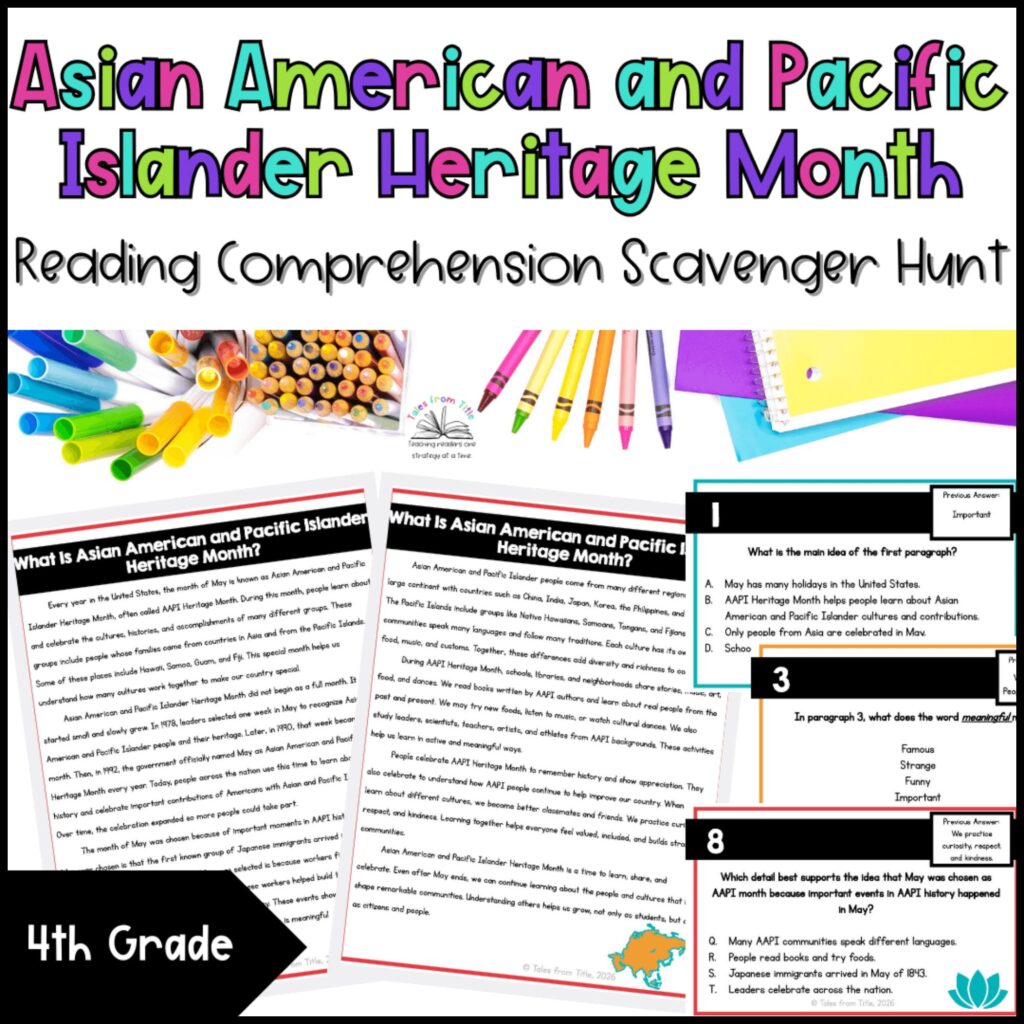
Inside each resource you will find:
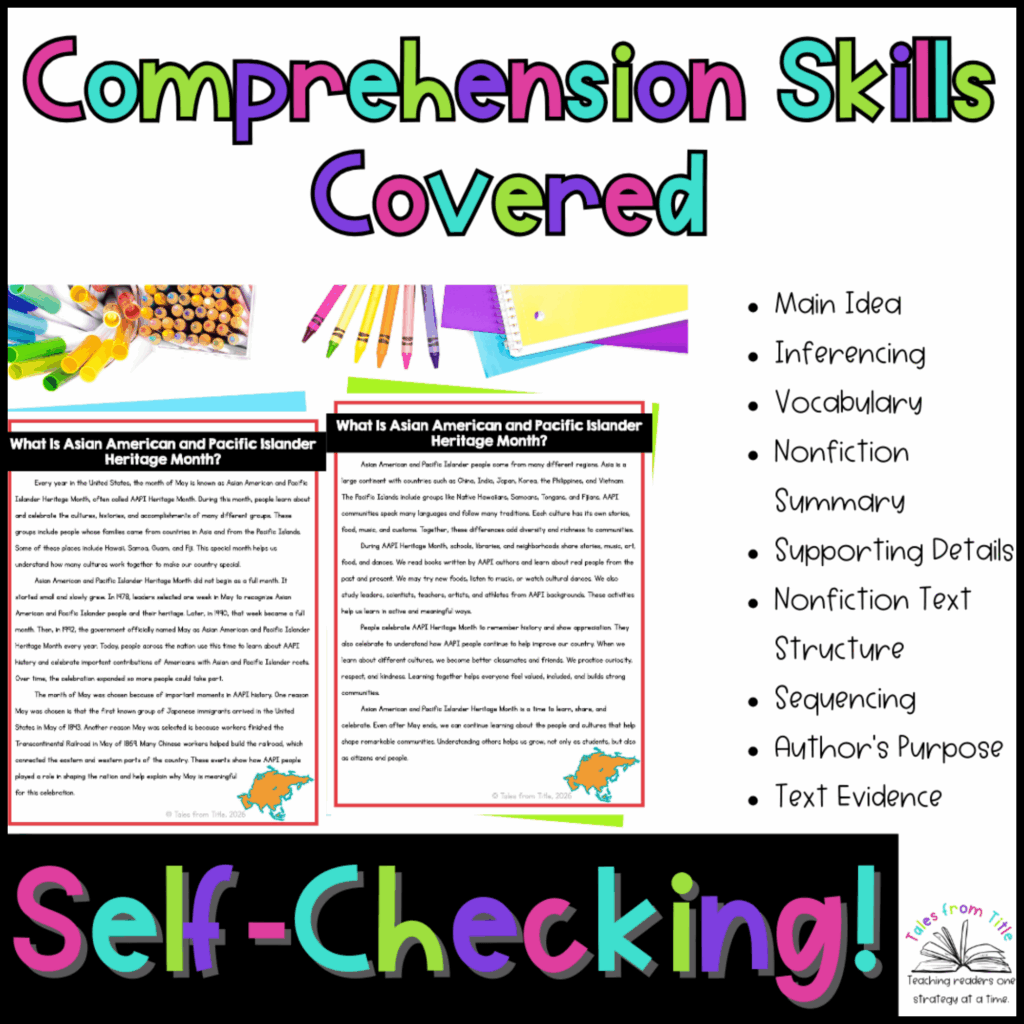
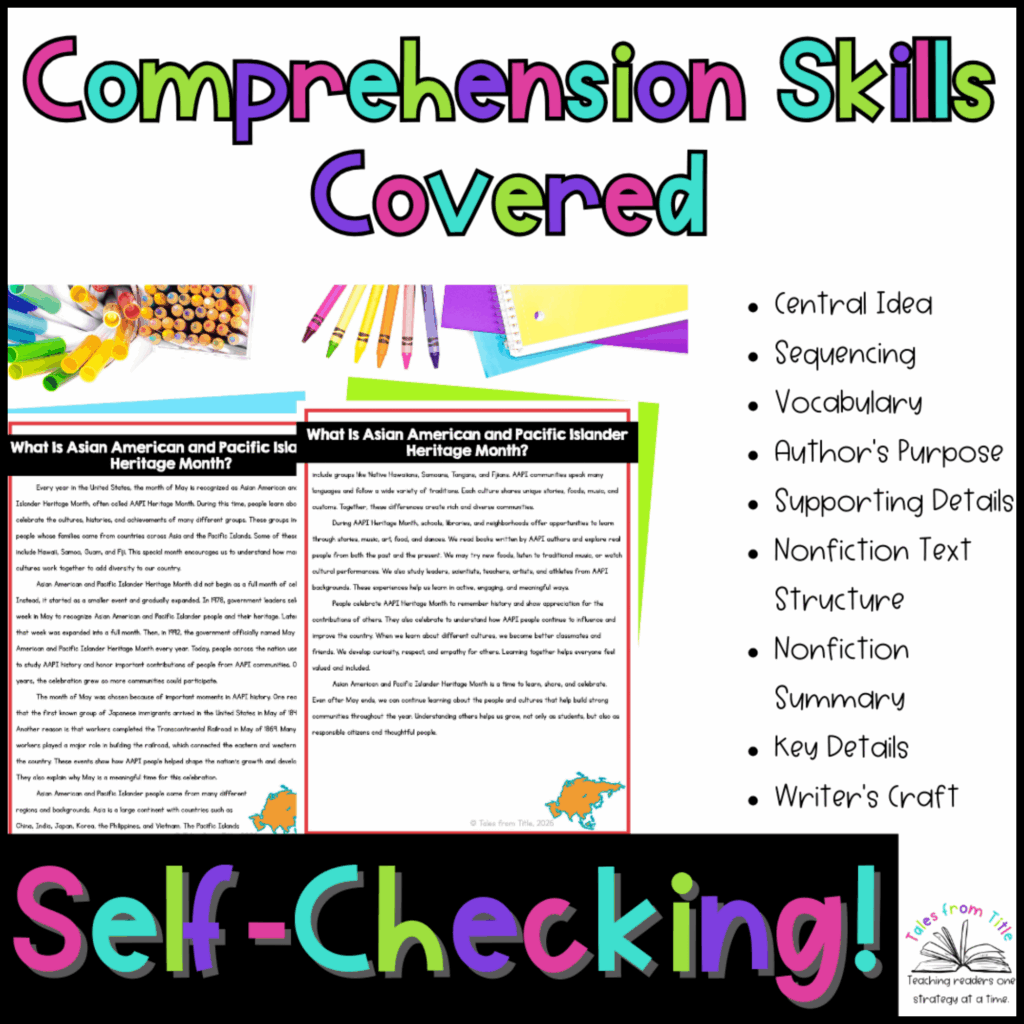
- A nonfiction article on Asian American and Pacific Islander Heritage Month written at an end of the year third, fourth, or fifth grade reading level
- Scavenger hunt question cards
- Student answer sheets
- Teacher answer keys
- Color printing option
- Black and white printing option
You can prep the activity quickly by printing the pages and posting the question cards around the room. That’s it.
Skills Students Practice
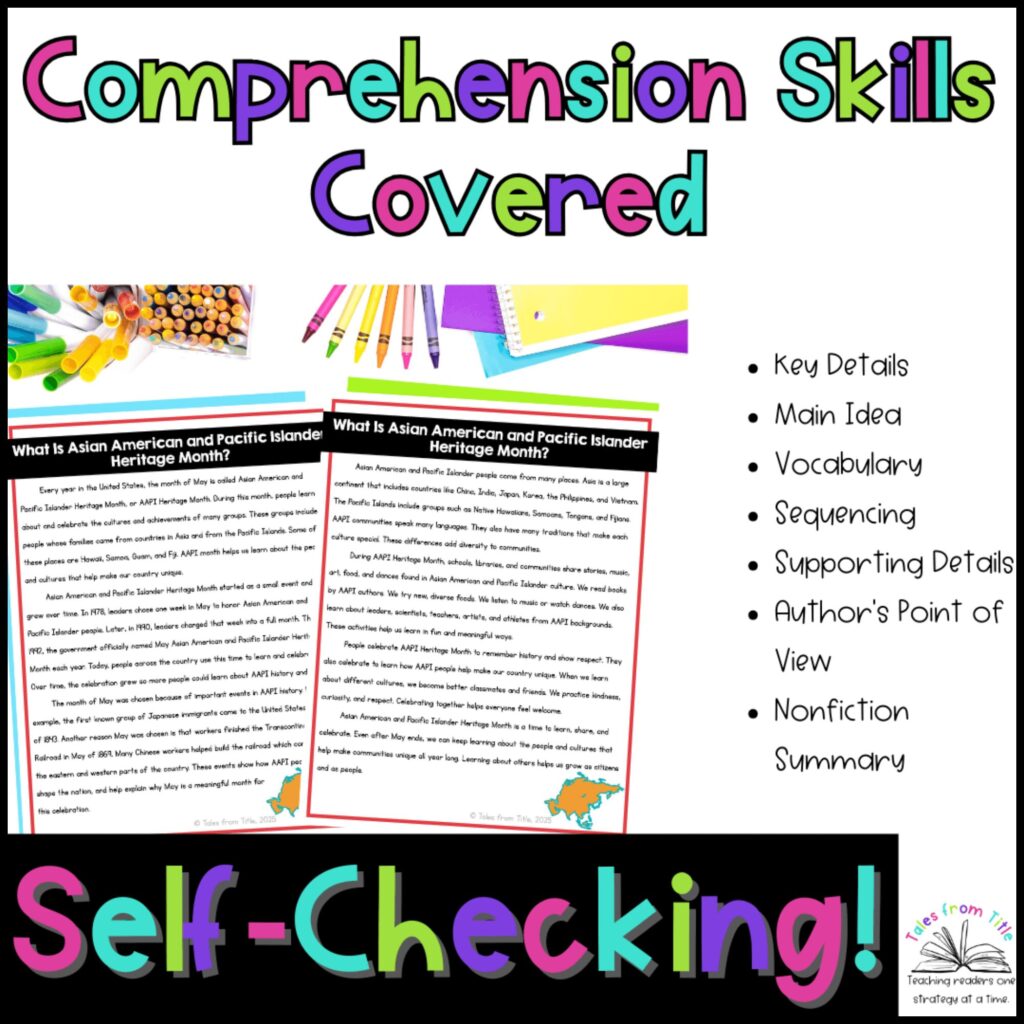
Each scavenger hunt targets real informational text standards, not busy work. Across grades 3 through 5, students practice skills such as:
- Finding key details
- Determining main idea
- Using context clues for vocabulary
- Sequencing events
- Identifying author’s purpose and point of view
- Summarizing nonfiction text
- Using evidence from the passage
Because students must answer correctly to find the next card, they naturally reread and monitor their understanding. Plus, no grading for you since this activity is self-checking.
How You Can Use the Scavenger Hunts
Teachers use these scavenger hunts in many ways, especially during the busy spring season.
You can use them for:
- Reading centers
- Partner work
- Whole group practice
- Test prep review
- Early finisher activities
- Sub plans
- Keeping students engaged at the end of the school year
Students stay active, and you keep instruction purposeful even when schedules feel unpredictable.
Grade Level Options
Each version matches the reading expectations for its grade level.
- 3rd Grade uses an end of year third grade reading level and focuses on building strong nonfiction comprehension skills.
- 4th Grade increases vocabulary and text structure while still supporting close reading.
- 5th Grade adds more complex language and deeper comprehension expectations for upper elementary readers.
This makes it easy to choose the right version for your students without overloading or underchallenging them.
Pair This Activity with Meaningful AAPI Read Alouds
If you want to expand on helping your students understand more about AAPI month, pair the scavenger hunt with a read aloud. When students hear stories from Asian American and Pacific Islander authors and characters, they connect emotionally to the history and cultures they are studying.
A strong read aloud builds background knowledge before students begin the nonfiction article. It also gives them real faces, voices, and experiences to connect to the historical events and contributions they read about in the scavenger hunt.
You might choose to:
- Read a picture book at the start of the week to introduce the topic
- Use short biography read alouds to highlight important AAPI leaders
- Compare themes from a story to information from the nonfiction passage
- Invite students to discuss similarities and differences between narrative and informational texts
When students listen to a story and then apply their understanding to nonfiction reading, they strengthen comprehension skills across genres.
If you are looking for book ideas, you can check out my full list of recommended titles here:
[Insert link to your AAPI Read Alouds blog post here]
That post includes engaging read aloud options for upper elementary classrooms that work beautifully alongside the scavenger hunt activity.
Make May Meaningful Without Extra Stress
AAPI Heritage Month offers a great opportunity to combine social studies and reading comprehension in a way that feels engaging, not overwhelming. When students move, read closely, and search for answers, they stay focused longer and remember more.
If you want a low prep, high engagement way to teach Asian American and Pacific Islander Heritage Month in 3rd, 4th, or 5th grade, these scavenger hunts help you keep learning active while saving planning time.
May does not have to feel rushed or chaotic. With the right activity, it can feel purposeful, meaningful, and fun for both you and your students.